Landing page development
A focused page for one offer, with a clear message and a call to enquire, book or buy.
- clear offer and page structure
- enquiry or purchase journey
- mobile-friendly design
- SEO and analytics foundations
Digital solutions that help businesses grow.
We develop WordPress websites for businesses — from structure and design to technical delivery. Each project is tailored to your business goals, content and customers.
A landing page, business website, custom solution or online store — the right choice depends on what your visitors need to do and how you plan to manage the site.
A focused page for one offer, with a clear message and a call to enquire, book or buy.
A WordPress business website to showcase your services, experience and completed projects, with easy ways for customers to contact you.
A website with features tailored to your workflows, such as bookings, searchable catalogues or customer accounts.
A WooCommerce online store for selling products or services, with orders, payments and the integrations you need.
Tell us what customers should be able to do on your website. We will recommend a suitable structure and explain your options.
Before work begins, we agree the pages, features, content and handover requirements. Your quote explains what is included and which services are optional.
Page count, languages, copy, integrations and content entry affect the scope. We also clarify licences, hosting and maintenance so you understand the ongoing costs.
If new requirements arise during the project, we agree any cost and schedule changes before implementing them.
Organise service pages, menus and contact actions so visitors can find the information they need.
Adapt layouts, text sizes and key buttons to different screens while following your brand style.
Set up content management for the agreed pages, images and other elements. Custom features are developed to the project requirements.
Set up page headings, SEO metadata and indexing settings within the agreed scope. Analytics tools and events are implemented as agreed; advanced SEO optimisation is a separate service.
Check page layouts, links, forms and agreed features. Resolve identified issues before handover.
Provide the agreed access and explain how to manage content. Maintenance, additional features and ongoing SEO can be arranged separately.
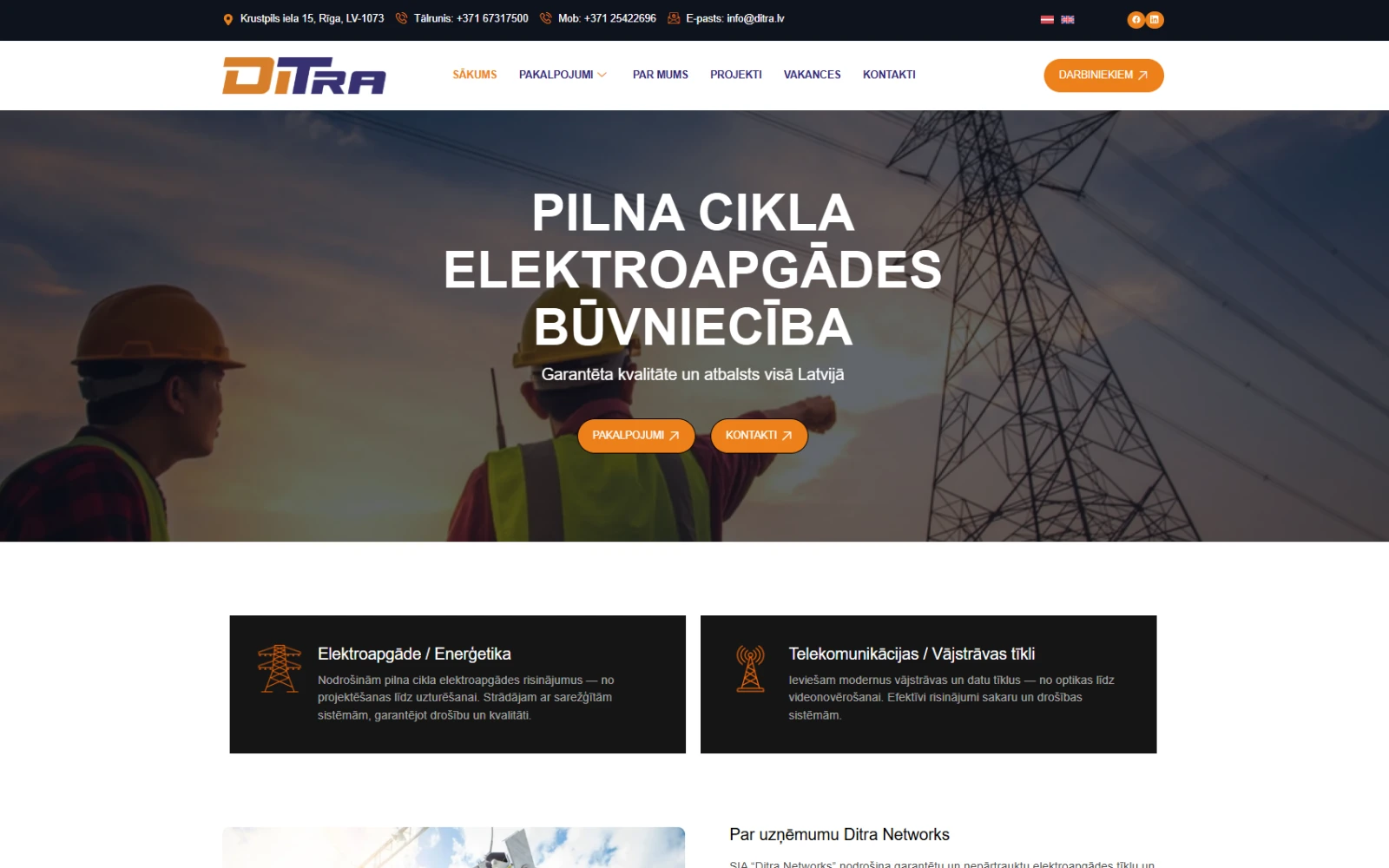
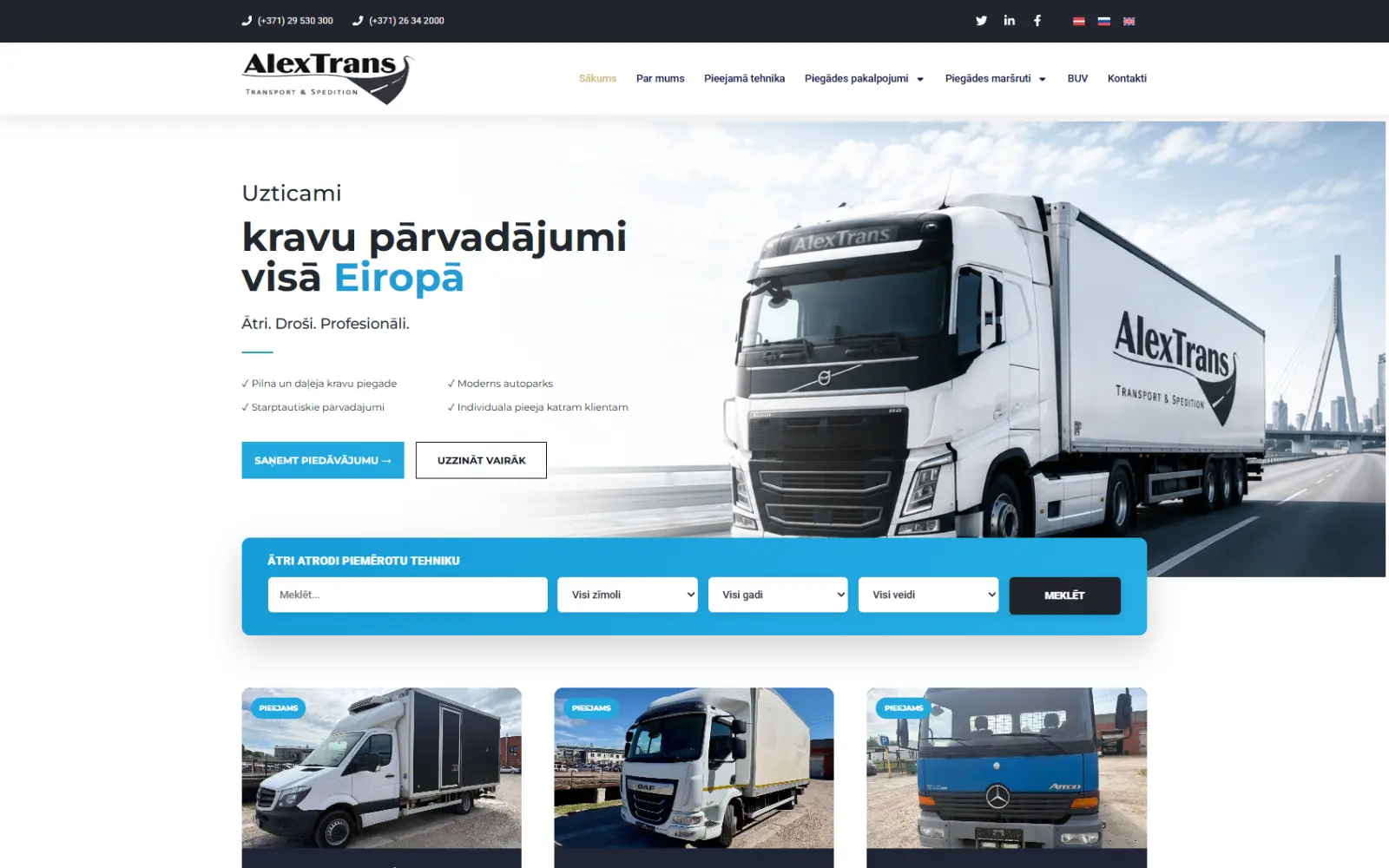
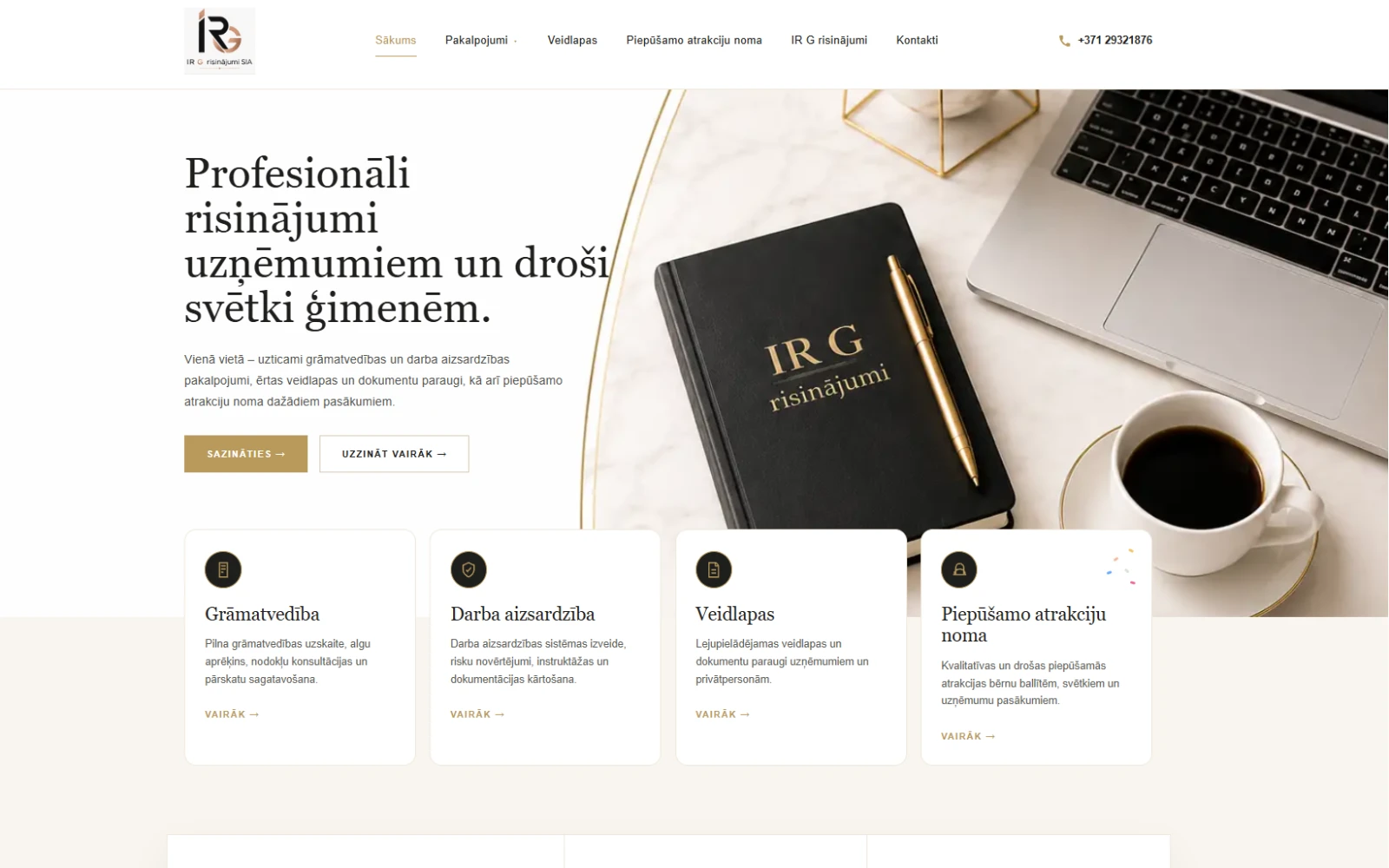
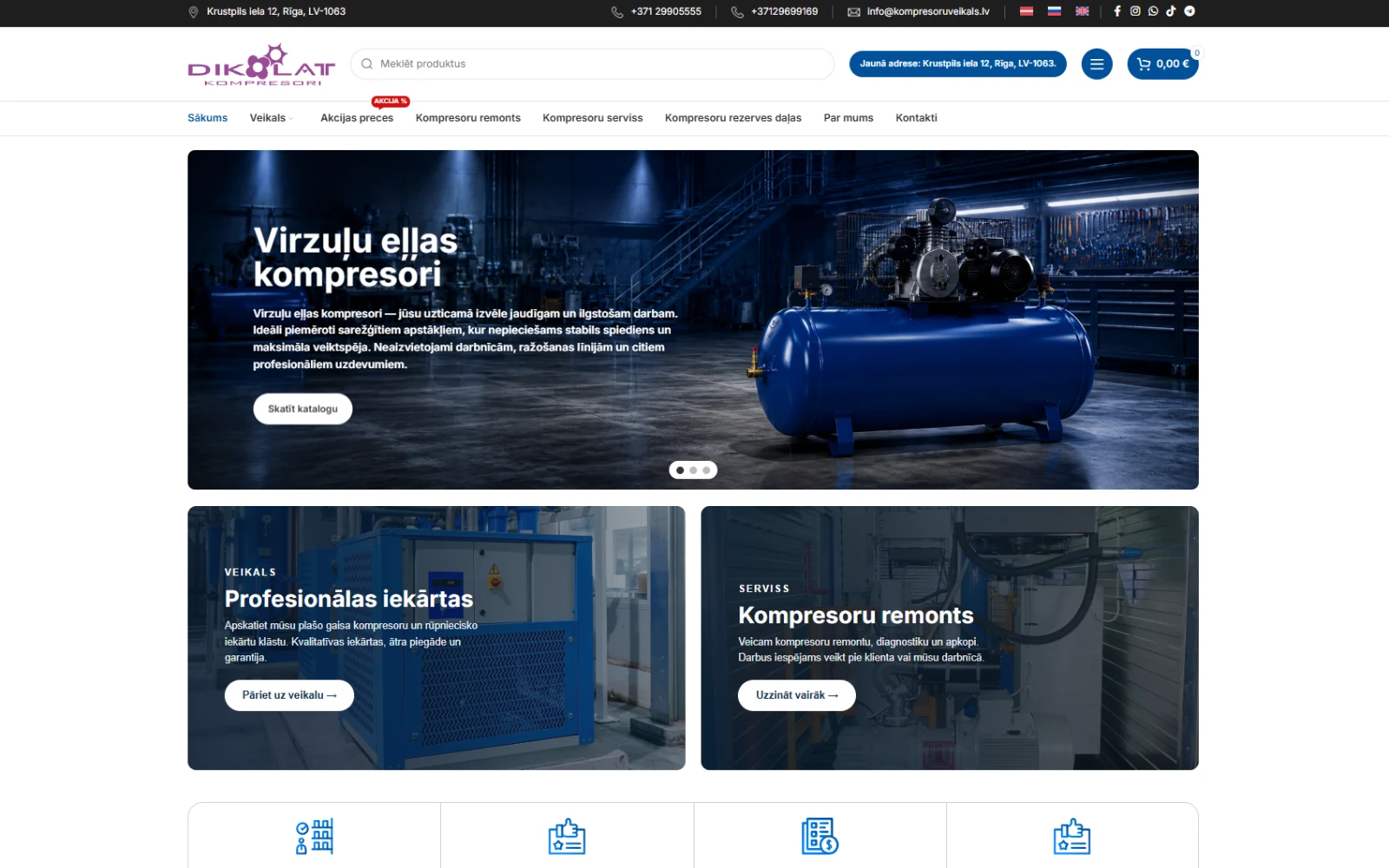
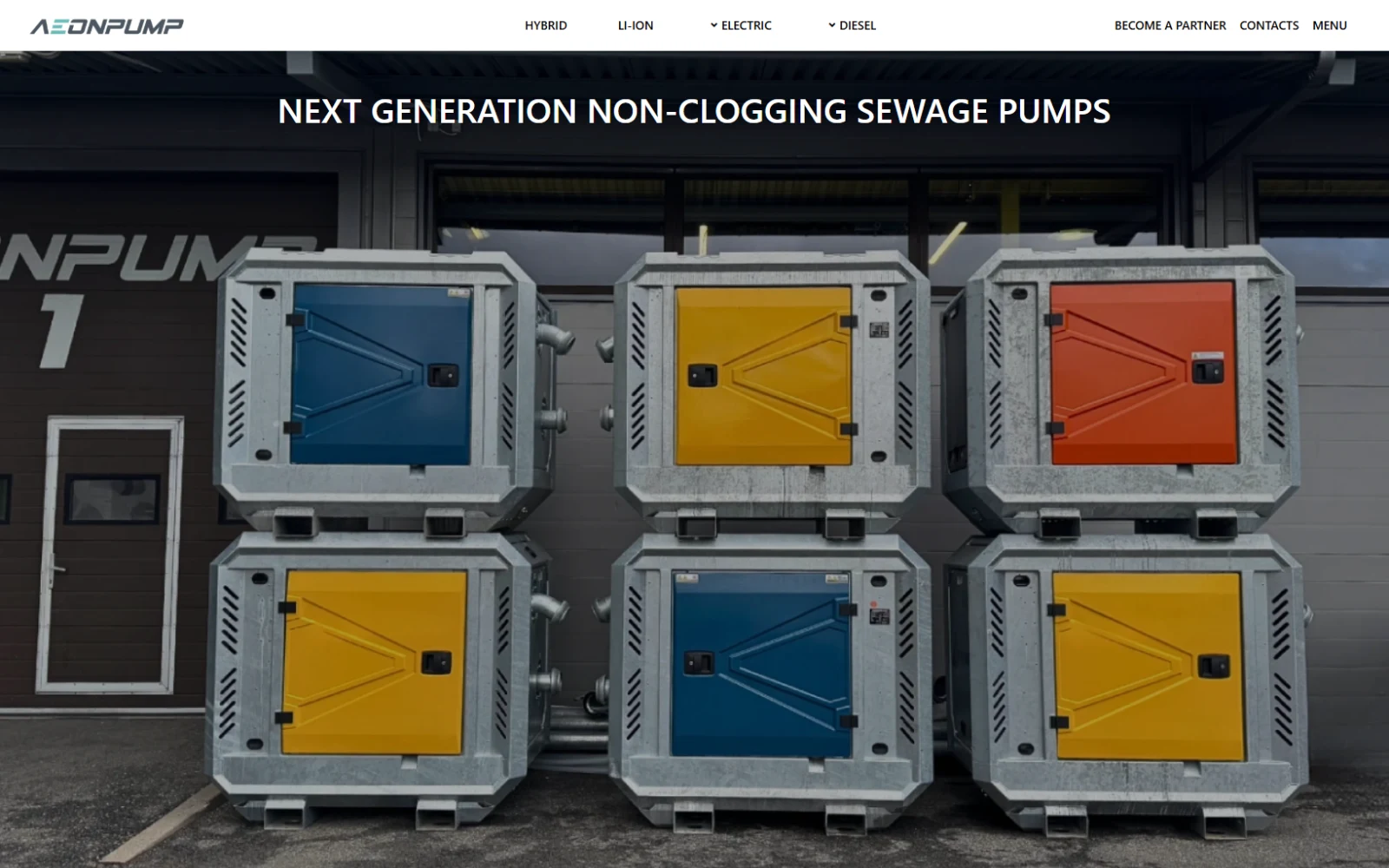
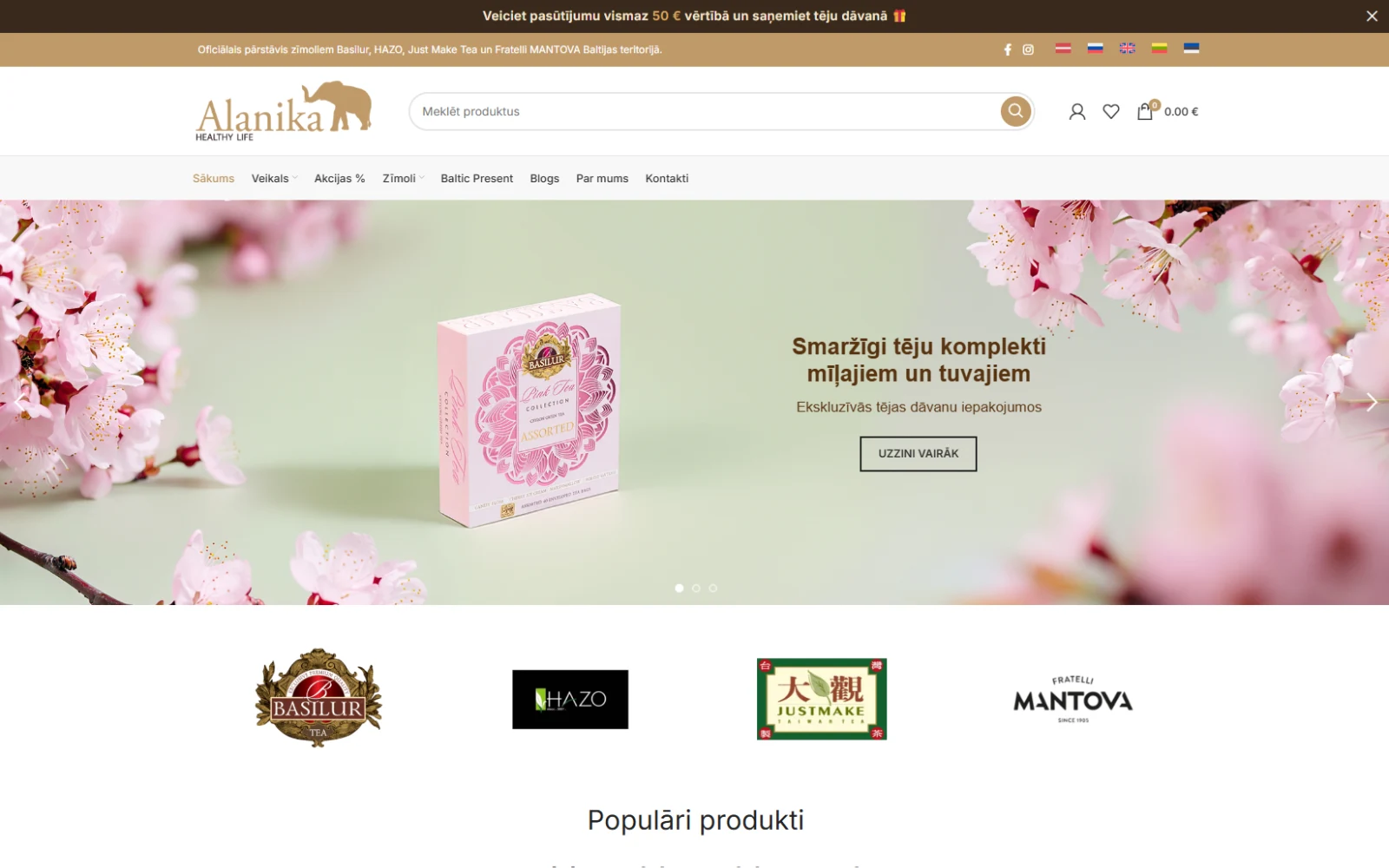
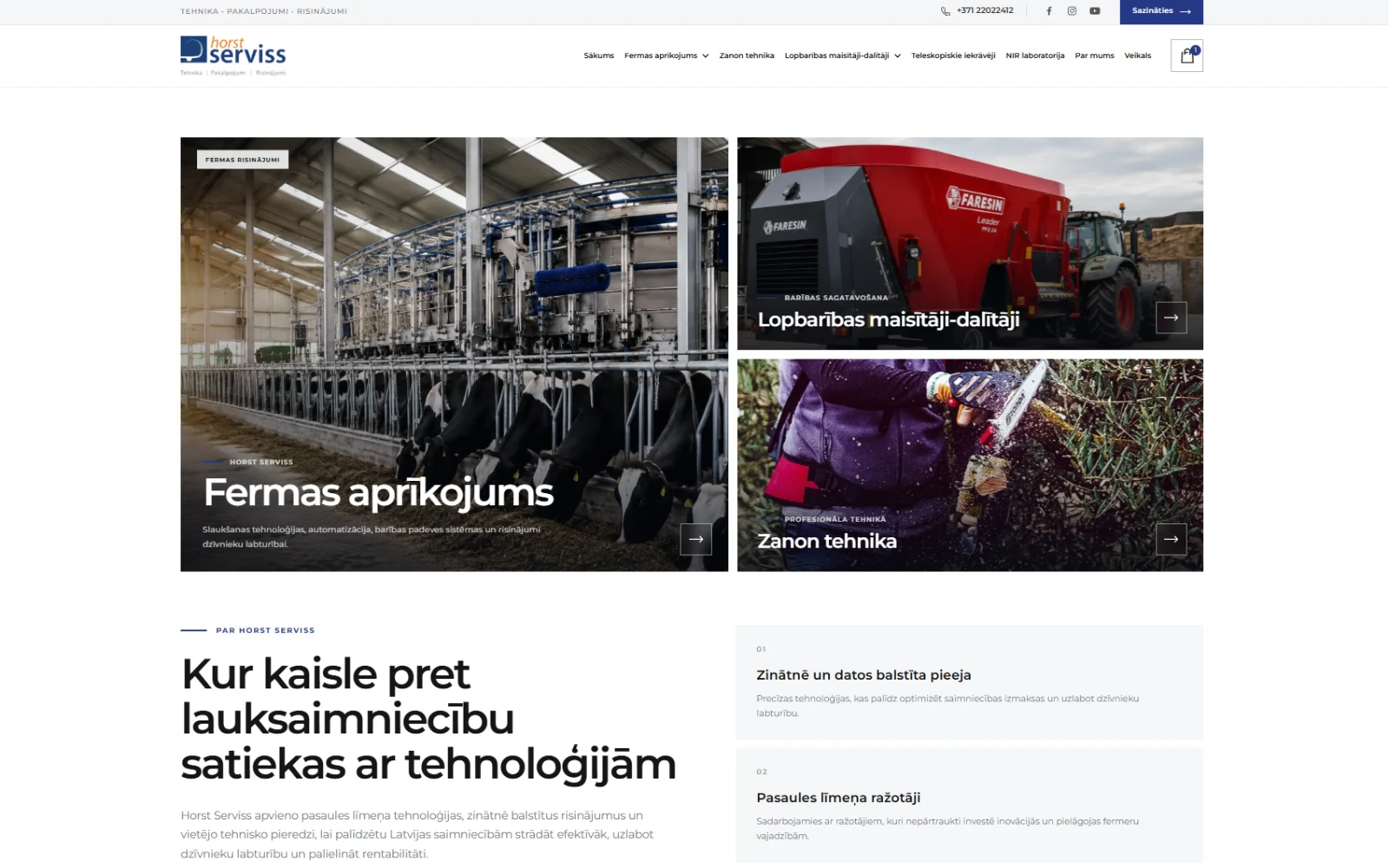
Explore WebDigital website development projects: WordPress business websites, product catalogues, custom calculators and WooCommerce online stores. Each case describes the work we delivered.
View all projects↗
Online store
An online store with a shelving calculator, variable products and a clear catalogue. Built in 3 languages with SEO optimisation.

Business website
A business website with a tailored design and project showcase. An English version was added and the page structure organised.

Online store
A B2B store with 1C integration, customer discounts and variable products. Product data was entered and 3 language versions created.

Equipment rental website
An equipment rental module with rental and delivery cost calculations. A Russian version was added, with SEO optimisation.

Business website
Custom design, detailed SEO optimisation and an Estonian version. More than 30 information and service pages were created.

Transport company website
A transport company website with a vehicle catalogue and content management tools. Built in 3 languages with SEO optimisation.

Business website
A business website based on the client’s design concept, with basic SEO optimisation.

Online store
An online store with a custom design and organised product catalogue. Includes product entry, 3 language versions and SEO optimisation.

Business website
A business website with a tailored design, service descriptions and clear navigation, with SEO optimisation.

Business website
A business website with a custom design and 6 language versions, with SEO optimisation for an international audience.

Online store
An online store in 4 languages with an organised product and category structure, with SEO optimisation.

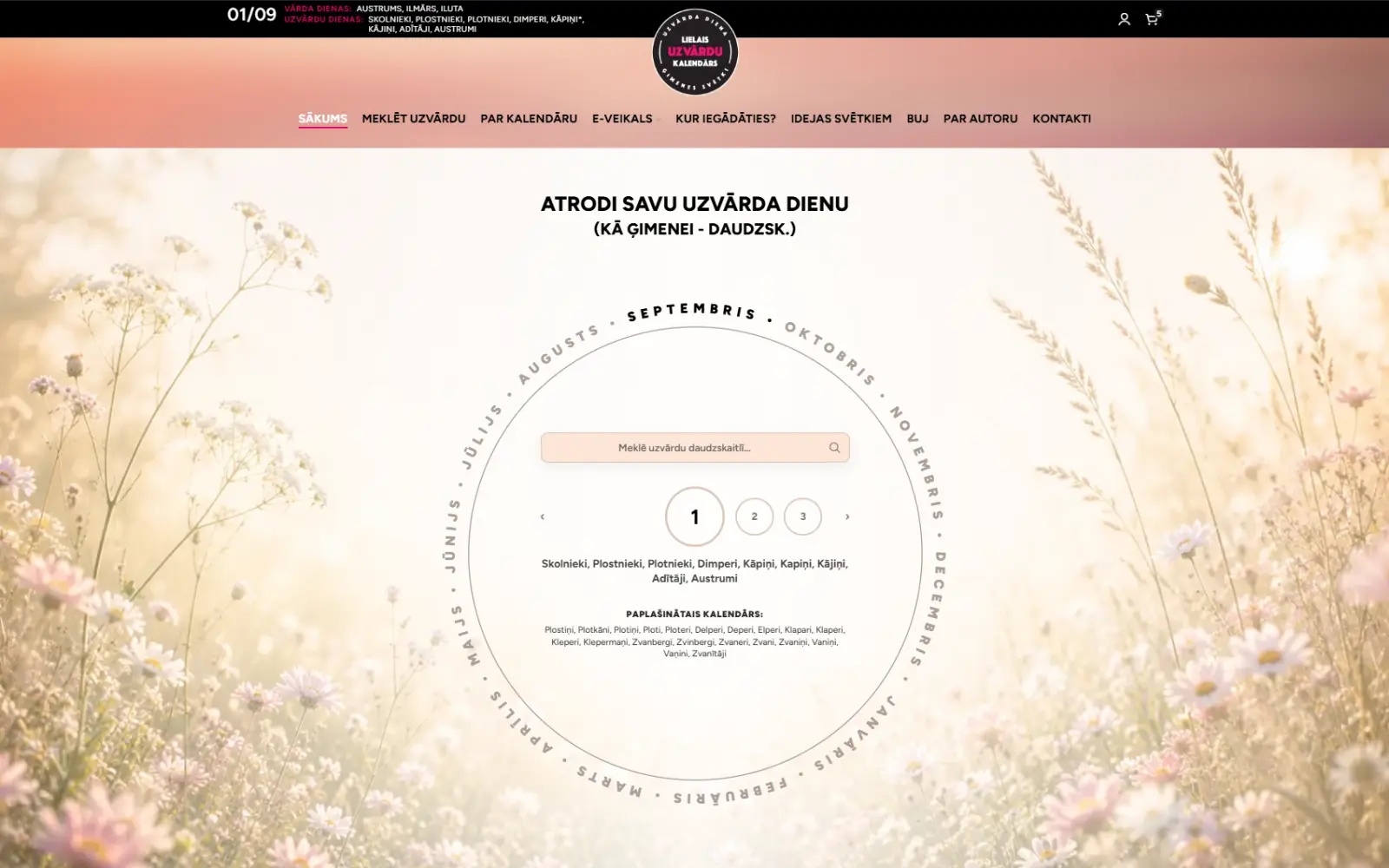
Custom website
A surname search tool with an interactive surname wheel and tailored design, plus information pages and an online store.
We organise website development into five clear stages. At each step, we agree on the next actions, required materials and your involvement.
We clarify your goals, audience, features and budget, then prepare a quote with a clear scope and timeline.
We agree on the page structure and content, including which texts, images and other materials you will provide.
We design around your brand and build your WordPress website. Together, we review the design, content and features before completion.
We test the mobile layout, links, forms and integrations, and review basic SEO settings and analytics where included in the quote.
We publish the website, provide the agreed access and show you how to manage content. Maintenance and additional improvements are agreed separately.
Answers about costs, timescales, content preparation and managing your WordPress website.
The price depends on the pages, languages, design, features, integrations and content work required. Before development begins, we provide a quote with a defined scope and price. We clarify licences, hosting and maintenance separately so you understand both setup and ongoing costs. If requirements change during the project, we agree any extra work before carrying it out.
When comparing proposals, look beyond the total price to the deliverables: the number of pages and languages, whether the design is tailored, who adds the content and which checks are included before launch. Website development for the same number of pages can involve very different work. One project may need an enquiry form; another needs bookings, customer accounts or CRM data exchange. Clear requirements make it possible to compare equivalent scopes.
In your WordPress website budget, separate the initial build from recurring charges. Domains, hosting, paid plugins, translation tools and external subscriptions can create ongoing costs. The proposal should explain what is included, what you pay separately and how later changes are approved.
The schedule depends on the project scope, how ready your materials are and the time needed for feedback. Bookings, multiple languages and custom integrations require more development and testing. We agree the schedule before work begins. If requirements change or content is delayed, we explain how that affects the launch date.
Website development moves faster when your logo, company information, service descriptions and examples of the desired result are available at the start. For a multilingual WordPress website, allow time for translation and review of each language. Agree who approves the structure and design within your company, so conflicting comments do not delay the next stage.
Break the schedule into milestones: structure approval, design review, content entry, testing and publication. This makes completed work and outstanding materials visible to everyone involved. A project can be delivered in stages, but unfinished features should not be treated as handed over. If launch is tied to an event or advertising campaign, explain that requirement at the beginning.
No. Start by describing your business, customers, main goal and required features. Your existing website and examples you like are also useful. We work with you to define the pages, content and technical requirements. The scope, responsibilities and handover conditions are agreed before development begins.
A useful brief explains who the website serves, what visitors need to find and which action matters most to your business. That might be sending an enquiry, making a call, buying a product or booking a service. Website development should support that action, rather than being defined only by colours or a page count. Include questions your customers regularly ask in your project notes.
For a WordPress website, also list your existing systems, required languages, content editors and access arrangements. Identify the features needed for the first release and those that can follow later. This helps allocate the budget, agree priorities and avoid uncertainty at completion. Explain any limitations of your current website that the new project needs to address.
Yes. WordPress lets you edit text, images and the content elements agreed for your project. At handover, we explain how your website works and provide the agreed access. New features, redesigns and integration changes may require a developer. Updates and backups also need to be planned after launch.
Before the project begins, discuss the sections you will update regularly: services, prices, team information, news or a product catalogue. A WordPress website can support this content management, but the editing fields and user permissions need to be planned during development. Separate everyday editing from administrator actions that can affect the entire website.
Website development is not complete simply because a login has been sent. At handover, it should be clear how to change text, add an image and review the result before publication. Choose suitable image sizes and descriptions to protect loading speed. If you plan a new section or a more complex feature, first consider its effect on the existing structure, navigation and ongoing maintenance.
We set up headings, metadata and technical indexing settings for the agreed pages, and review structure, links and image descriptions. Website development for businesses provides a foundation for further optimisation. We do not guarantee Google rankings: content, competition and many other factors influence them. Keyword research, ongoing content and long-term SEO are separate services.
Website development and ongoing SEO are related but have different scopes. During the build, a clear page hierarchy, suitable headings, image descriptions and correct indexing settings can be prepared. Attracting visitors for relevant searches also requires consideration of competitors, service content and customer needs. Technical settings in a WordPress website cannot replace that work.
A multilingual project needs appropriate content and metadata for each language, along with correct links between translations. After publication, check which pages have been indexed and whether enquiries reach your company. Plan further improvements using actual data rather than relying only on an SEO plugin score. Page content should remain accurate, readable and useful to a potential customer.
We agree this at the start. You provide accurate information about your business, services and offer. We can help with the page structure and copy when that work is included in the quote. Logos, photographs and other materials must have appropriate usage rights. Translation, product entry and paid image purchases are agreed separately.
Organise materials by page, with a purpose, essential information, images and the action visitors should take. Website development proceeds more smoothly when prices, contact details and service names are consistent across your documents. If several people contribute copy, agree on one approver and a current version of the materials.
Your WordPress website needs high-quality image originals, with suitable sizes and formats prepared for publication. Use customer photographs and testimonials only with the necessary permission. Review translations for industry terminology and accuracy as well as grammar. If materials are missing, schedule their preparation early: placeholder copy is not equivalent to approved company content. Specify any documents that visitors need to download, including which versions should be published.
Yes, provided you control the domain and can access its settings. For a replacement website, we identify important pages, existing URLs and language versions before planning the move. Where addresses change, the agreed migration work can include redirects and checks of internal links. We also review email-related DNS records before switching the website, so the launch does not disrupt business email. Search rankings cannot be guaranteed during a migration; the redirect plan and launch checks should therefore be agreed as part of the project scope.
At the start of a redesign, keep a list of existing pages and identify those receiving traffic or enquiries. Website development with a new structure may change URLs, so each important old page needs an appropriate destination. Redirecting every old address to the homepage does not help visitors find the information they originally wanted.
A WordPress website migration should also include checks of image and document links, language switching and forms. Before publication, agree what happens if the new version does not work as expected. After launch, test important addresses and incoming enquiries. If business email uses the same domain, retain its DNS records and change only the records needed for the website.
First, we define which data should be transferred, in which direction and at what point. An enquiry form might create a CRM contact, while a booking system needs availability checks and confirmations. Before website development, we review the chosen provider’s API, available plugins, access requirements and licences. The quote should also cover error handling and testing, rather than just connecting two systems. Integration costs depend on the specific service and requirements. Third-party subscription fees are separate unless the proposal explicitly includes them.
Describe a specific integration workflow: where a user enters information, how it reaches the second system and what an employee sees. Website development involving data exchange also needs agreement on required fields, duplicates, access permissions and connection failures. A system name or a request to connect an API is not a complete specification.
For a WordPress website integration, use the provider’s test environment where available. Payment checks should include success, refusal and an interrupted process; booking checks should cover unavailable places and confirmations. Clarify who maintains the connection after the external service changes. Share access securely and only to the extent required. Define where staff can see a failed transfer and what they should do next.
Checks follow the agreed scope: layouts on phones and computers, navigation, links, forms and required integrations. For enquiry forms, we test whether the notification arrives, rather than relying only on a success message. We agree the testing environment, how identified defects will be resolved and the launch procedure. During handover, we clarify administrator access, ongoing licence arrangements and responsibility for backups. These details make it clear which work belongs to the completed development project and which work requires an ongoing maintenance agreement or a separate quote.
Choose real visitor tasks for acceptance testing: finding a service, sending an enquiry, changing language and opening contact details. Website development should be assessed against these tasks, rather than only a homepage screenshot. Also check invalid form fields, empty submissions and notification recipients. Label test messages clearly so they are not confused with customer enquiries.
The WordPress website handover checklist should cover domain and hosting control, users, licence conditions and backup arrangements. Clarify whom to contact about defects and how further work is agreed. If analytics is included, check the required events and privacy settings. Compare the final result with the approved proposal, rather than later ideas that were never included in the agreed scope.
Send your company name, existing website if you have one, required features and preferred timescale. We will review the requirements and clarify the scope.